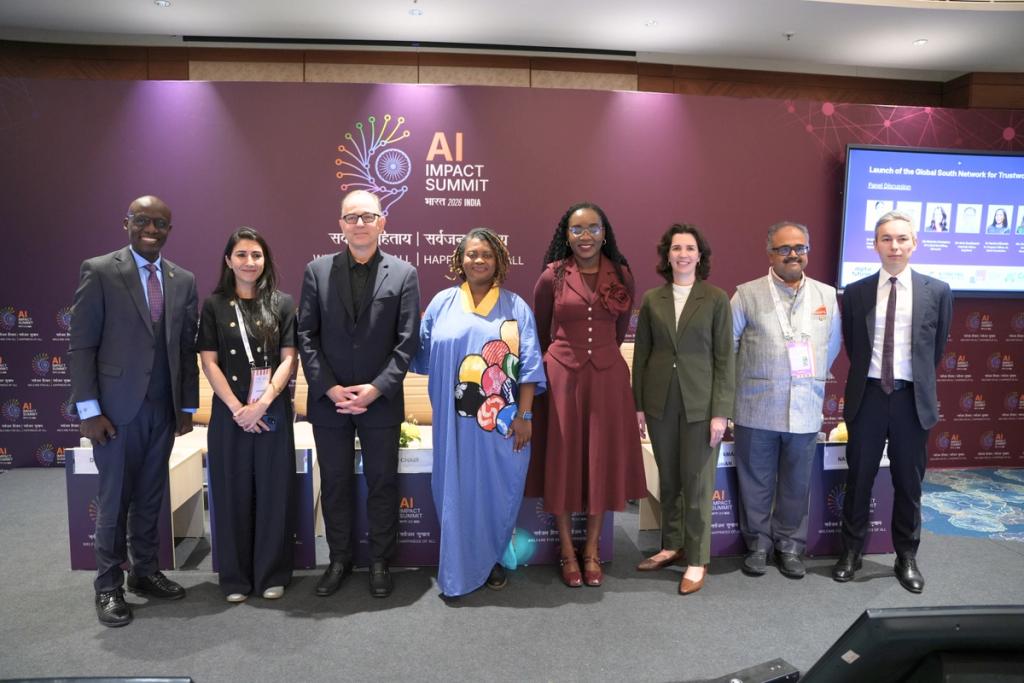
The Global South Won't Just Be a Market for AI — It Wants to Set the Rules
New Delhi, 20 February 2026: Leading figures from government, industry, philanthropy, and civil society convened to launch the Global South Network for Trustworthy AI at the IndiaAI Impact Summit 2026 in New Delhi. The Network is a civil society–led platform dedicated to evaluating the real-world impacts of AI systems, advancing research on AI adoption and safety, building locally grounded oversight instruments, and elevating Global South leadership in global AI governance.The launch opened with keynote remarks from Mr Abhishek Singh, Director General of the National Informatics Centre and Additional Secretary at the Ministry of Electronics and Information Technology, Government of India; Ambassador Philip Thigo, Special Envoy on Technology, Republic of Kenya; and Mr Quintin Chou-Lambert, Chief of Staff/AI Lead at the Office of Emerging and Digital Technologies, United Nations.In his opening keynote, Mr Abhishek Singh highlighted how the Network advances India’s efforts to operationalise the New Delhi Frontier AI Impact Commitments and strengthen responsible AI deployment.
“I see the launch of the Global South Network for Trustworthy AI as the first step in operationalising the [New Delhi Frontier AI Impact Commitments]. With support from industry organisations, frontier AI labs, research institutions, governments, and multilateral bodies, this initiative can grow stronger,” said Mr Abhishek Singh.
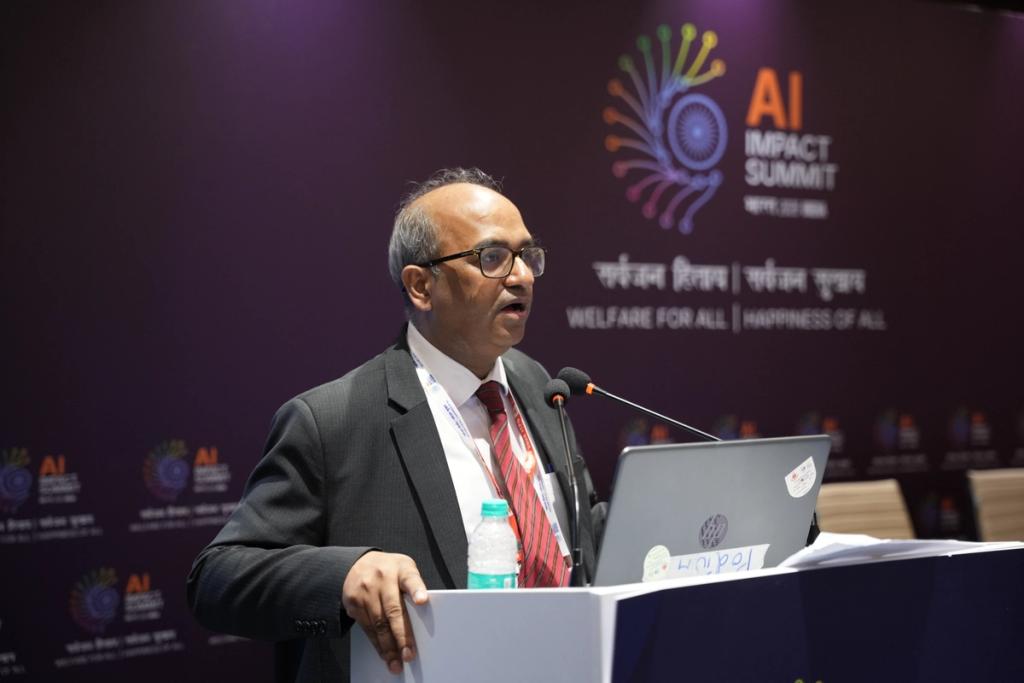
He continued to stress the IndiaAI Mission’s support for the initiative, stating,
“We will be there to provide all necessary support from IndiaAI Mission, and we'll work toward [ensuring] that [the Network] gains the same level of support from every participating country [that] is here.”
In his keynote, Ambassador Philip Thigo highlighted why such a Network from the Global South is critical, given the region’s exclusion from the AI safety infrastructure, saying,
“[A] handful of institutions should not define what risks are measured, what harms are prioritised and what safe performance means. Governance is about power, and we must deconcentrate that power even if it's unintentional.”
Mr Quintin Chou-Lambert echoed Ambassador Thigo’s sentiment, commenting on the role of the Network in the larger conversation on AI safety, saying,
“These kinds of networks will play a crucial role in connecting and bringing examples of cases of threats from various sources and local people into discussions, so that international discussions do not ignore, omit or discount the perspectives of the vast majority of people on the planet.”
The keynote speeches were followed by a high-level panel discussion. Panellists included Dr Rachel Sibande, Sr. Programme Officer, AI at the Gates Foundation, Ms Chenai Chair, Director of the Masakhane African Languages Hub, Mr Amir Banifatemi, Chief Responsible AI Officer at Cognizant, Ms Natasha Crampton, Chief Responsible AI Officer at Microsoft’s Office of Responsible AI and Dr B. Ravindran, Head of CeRAI, IIT-Madras.
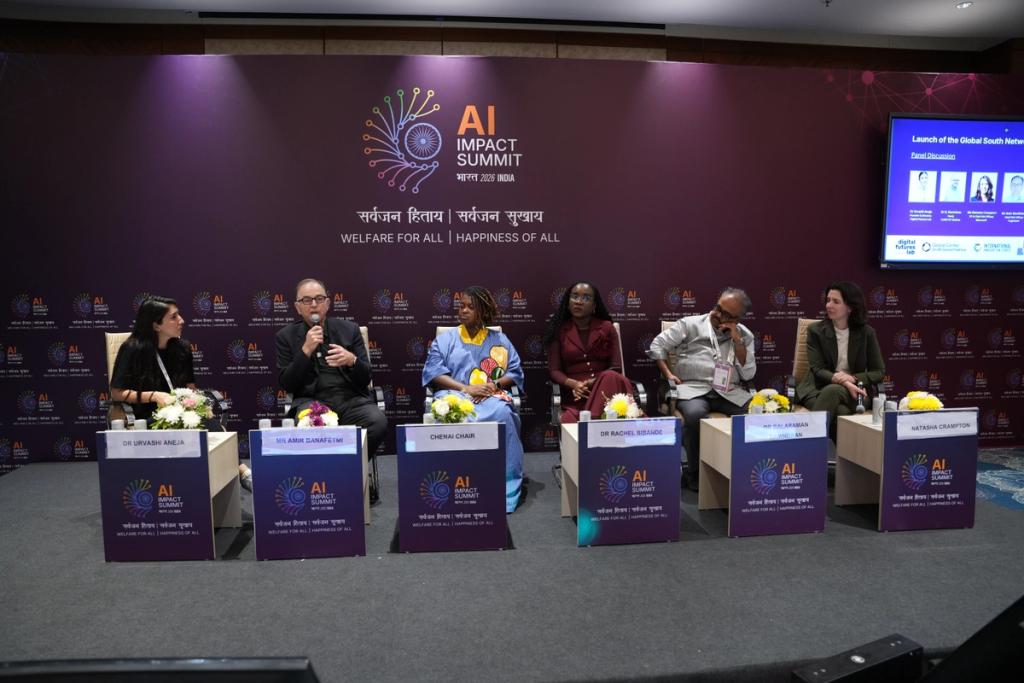
The discussion focused on deployment realities, multilingual and community-led evaluation, feedback loops made possible through accessible, contextually-grounded tools, broader definitions of harm that encompass social impacts, and strengthening evidence for policy — priorities that position the Network as a bridge between global commitments and real-world implementation.
Founding members include Digital Futures Lab (India), Global Centre on AI Governance (South Africa), ITS Rio (Brazil), Centre for Responsible AI at IIT-Madras (India), and International Innovation Corps (India). The IndiaAI Mission will serve on the Network’s Steering Committee alongside other international safety and research institutions.
Over the coming year, the Network will undertake a set of flagship initiatives aimed at strengthening evidence and capacity to advance trustworthy AI in the Global South. These include:
- Developing multilingual safety benchmarks to assess how AI systems perform across diverse linguistic contexts
- Conducting research on the impact of AI on labour markets
- Advancing a structured taxonomy of gendered AI harms
- Producing practical procurement guidance to support Global South governments in making informed, context-sensitive AI adoption decisions.
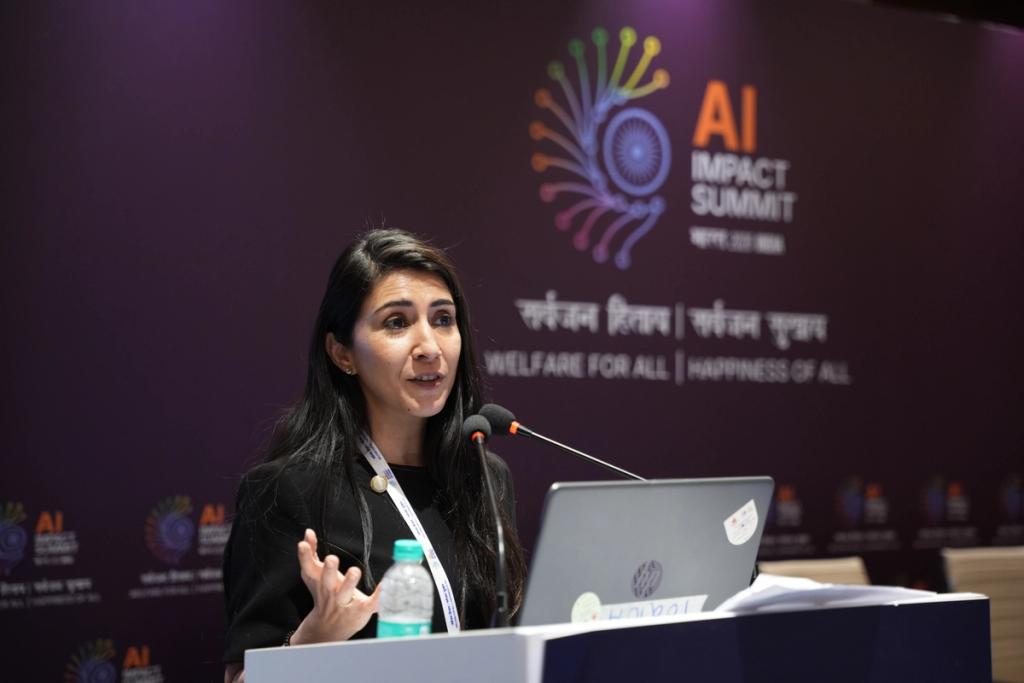
“The Global South must not only be a market for AI systems, but an active shaper of the standards, evaluations, and safeguards that govern them,” said Dr Urvashi Aneja of Digital Futures Lab.
“The launch of the Global South Network for Trustworthy AI signals a shift from participation to leadership. We look forward to collaborating with the India AI Mission and governments across the Global South to build inclusive infrastructures for safe and trusted AI.”
The Global South Network for Trustworthy AI currently comprises fifteen member organisations: Digital Futures Lab, Global Centre on AI Governance, International Innovation Corps, ITS Rio, CeRAI (IIT-Madras), Derechos Digitales, Karya, GxD Hub, Khazanah Research Institute, Masakhane African Languages Hub, The Collective Intelligence Project, AI Initiative (University of Pretoria), AI Commons, roost, Cognizant AI Lab. The Network aims to establish regional hubs in South Africa and Brazil and seeks to expand the hub network over the coming years. For press enquiries, contact Aarushi Gupta at aarushi@digitalfutureslab.in